Sites Ready When Construction Schedules Demand It
Commercial Land Services in Longview and across East Texas for developments requiring dependable site preparation and project management
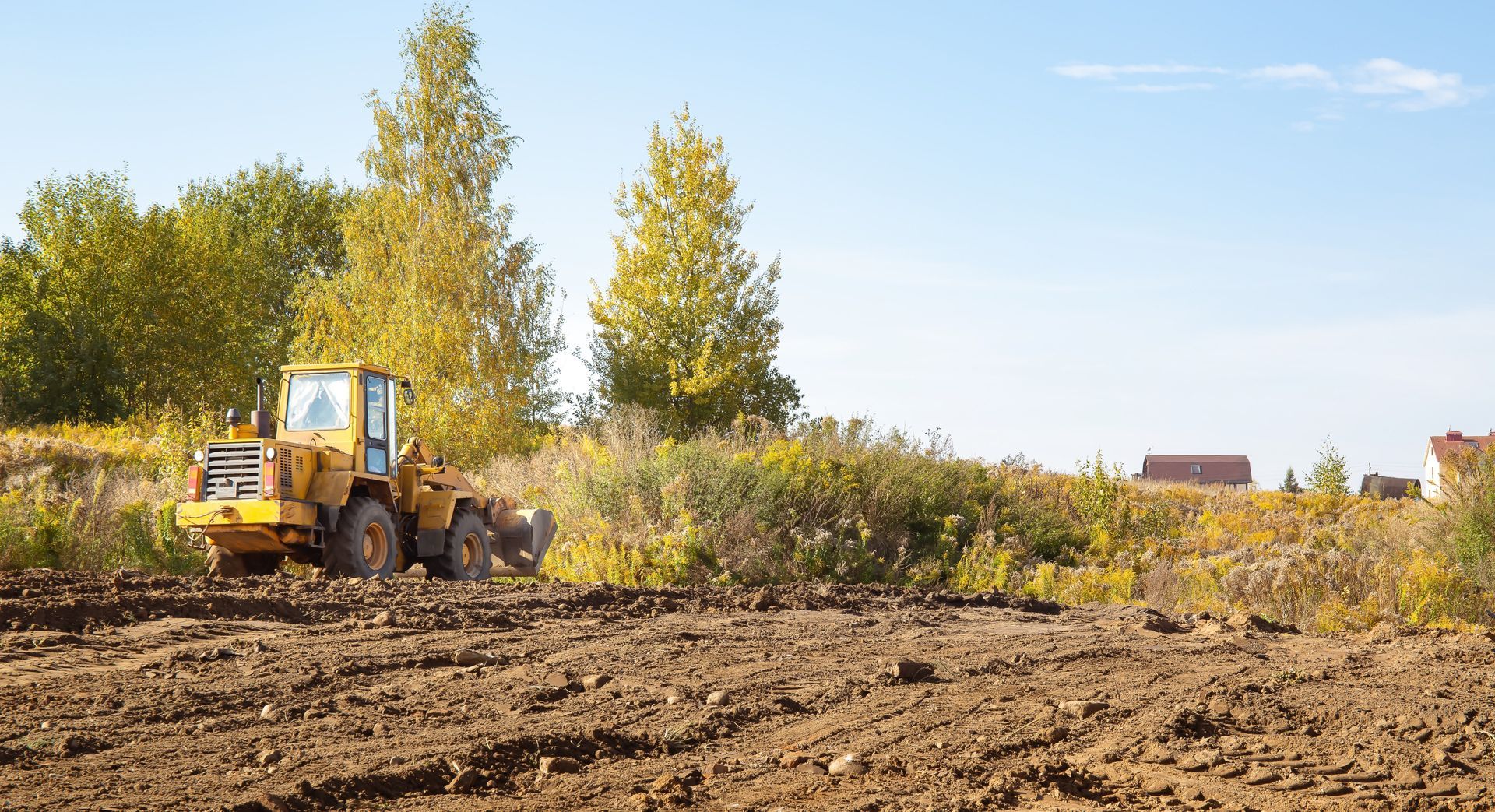
Commercial construction timelines depend on land being cleared, graded, and accessible exactly when contractors need to mobilize equipment and begin foundation work. SemperFi Land Clearing handles site preparation for commercial developments, industrial properties, and municipal projects throughout East Texas, managing land clearing, forestry mulching, grading, brush removal, and debris cleanup with equipment capable of handling larger-scale work. When delays in site prep push back every subsequent phase of construction, the cost compounds quickly—excavators waiting on clearing, concrete crews rescheduled, inspections postponed.
The service emphasizes efficient project management that keeps job sites on schedule, with clearing and grading sequences planned around other trades and weather windows. Sites are maintained to remain safe and accessible throughout the construction process, with attention to keeping haul routes clear and managing mud or dust depending on season.
Discuss your commercial project requirements to establish a timeline and determine what equipment and site access will be needed in Tyler, Kilgore, Hallsville, and surrounding areas.
How Commercial Site Preparation Addresses Timeline Risks
Commercial projects involve coordinating multiple contractors, utility installations, stormwater management, and often phased development where portions of a site must be cleared and stabilized before others are touched. The approach adjusts based on whether you're preparing a retail pad, industrial yard, municipal facility, or multi-building complex, and equipment selection depends on acreage, vegetation density, and how quickly the site must be construction-ready.
After site prep is complete, contractors can access the property without creating ruts or damaging newly graded surfaces, drainage infrastructure is protected during clearing operations, and the building pad meets engineer-specified elevations for foundation work. Debris is removed or processed on-site depending on project specifications, and haul routes are stabilized to handle heavy truck traffic without deteriorating during construction.
The service includes coordination with general contractors, engineers, and inspectors to ensure clearing and grading align with site plans and permitting requirements. Experience across East Texas means familiarity with local soil conditions, seasonal weather patterns that affect grading schedules, and municipal standards for stormwater and erosion control.
Answers to Frequent Service Questions
Commercial developers and contractors often need clarity on timelines, equipment capabilities, and how site prep integrates with overall project schedules.
What does forestry mulching accomplish on commercial sites?
Forestry mulching uses a rotating drum with cutting teeth to grind trees and brush into mulch in a single pass, leaving a layer of organic material that controls erosion and suppresses regrowth. It's faster than traditional clearing methods when you need to open large acreages without hauling debris off-site, and the mulch layer stabilizes soil during construction.
How is rough grading different from finish grading in commercial work?
Rough grading establishes major site elevations, drainage slopes, and building pad locations immediately after clearing, often to within a few inches of final grade. Finish grading happens later, after underground utilities are installed, and brings surfaces to exact elevations specified in the site plan—critical for foundation forms, paving, and stormwater flow.
When should site clearing happen relative to utility installation?
Clearing typically occurs first to provide access for utility contractors, but grading is often sequenced around underground work. Trenches for water, sewer, electric, and gas are dug after rough grading, then finish grading smooths over the disturbed areas once utilities are buried and inspected.
Why does equipment size matter for commercial projects?
Larger sites with dense vegetation require tracked mulchers, dozers, and excavators capable of processing high volumes quickly, while smaller commercial lots may need compact equipment to avoid damaging adjacent structures or utilities. The equipment must also match soil conditions—East Texas clay becomes unworkable when wet, requiring machines with enough traction and power to grade effectively during narrow weather windows.
What should be included in a commercial site prep estimate?
A detailed estimate should specify clearing limits, grading tolerances, debris disposal methods, haul route requirements, erosion control measures, and how the work will be sequenced with other contractors. It should also address site access, staging areas for equipment, and how weather delays will be handled.
SemperFi Land Clearing provides commercial land services with dependable equipment and project management designed to keep construction schedules moving forward. Contact us to review site plans, discuss clearing and grading requirements, and establish a preparation timeline for your development or industrial project in the Longview area.