
Access That Makes Fence Work Possible
Fence Line Clearing in Longview and across East Texas for properties planning installation or repairs along overgrown boundaries
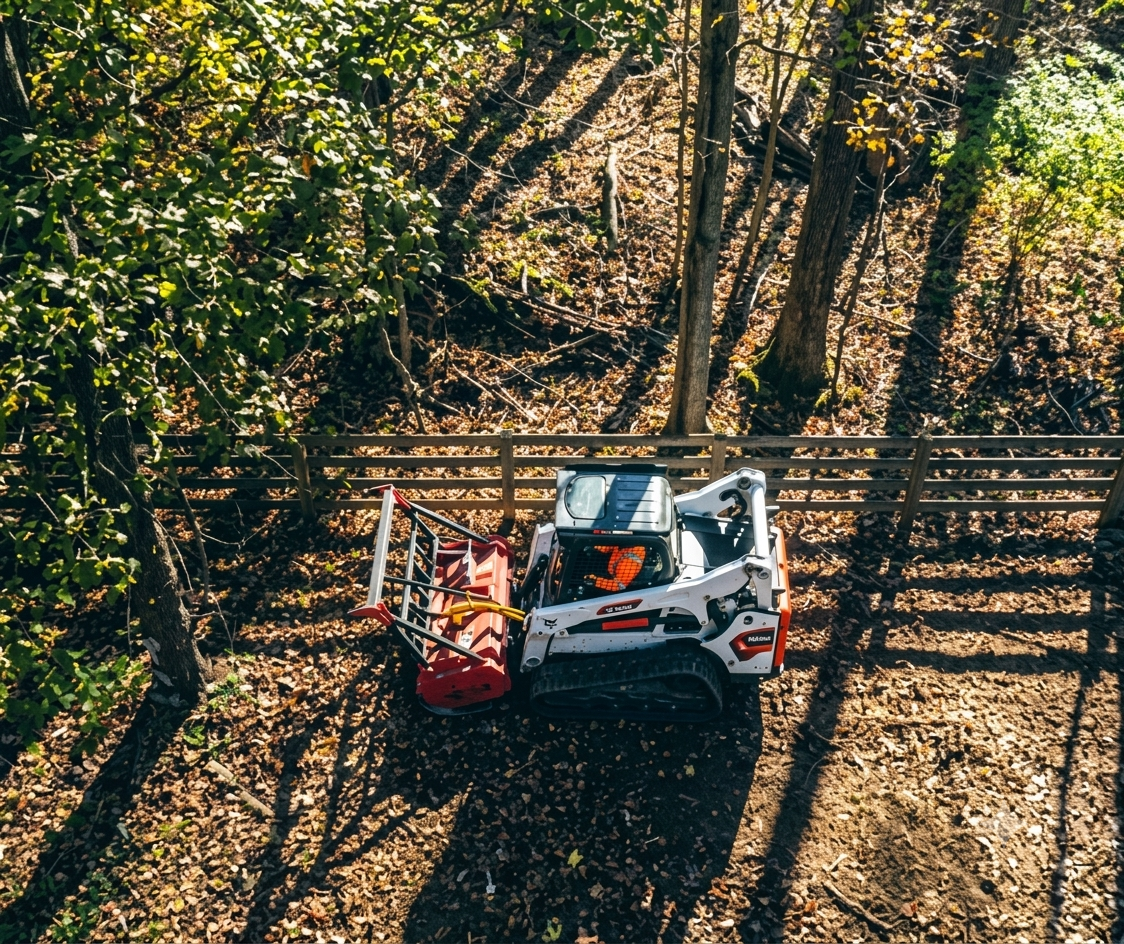
Vines, saplings, and brush grow densely along fence lines within a single season in East Texas, tangling into existing wire and blocking access for installation crews or repair equipment. SemperFi Land Clearing removes vegetation along existing and planned fence routes, creating the clearance needed for setting posts, stretching wire, and maintaining boundaries across residential, agricultural, and commercial properties in Longview, Tyler, Marshall, and surrounding areas. Once cleared, fence lines become visible from a distance, accessible by vehicles or workers, and easier to inspect for damage or encroachment issues that vegetation previously concealed.
The clearing process removes brush, small trees, vines, and debris that interfere with fence placement or maintenance, using equipment narrow enough to work along property lines without disturbing areas outside the fence corridor. Clearing exposes the actual boundary location, reveals existing fence posts or wire buried under growth, and provides space for workers to move along the line without cutting through vegetation by hand. Properties with long fence runs save time and labor costs when vegetation is removed before fence crews arrive on-site.
Schedule fence line clearing services to prepare for new installation or make existing boundaries accessible for ongoing maintenance.
What Proper Fence Line Clearing Requires
Efficient fence line clearing removes vegetation within a corridor wide enough for equipment access and fence construction while leaving adjacent areas undisturbed. The equipment processes saplings, vines, and brush into mulch or cuts them low enough that debris does not interfere with post-hole digging or wire stringing. For properties installing new fences, clearing establishes a straight, visible line that simplifies surveying and layout, preventing costly mistakes from working around vegetation instead of following the actual boundary.
After clearing, you notice a defined corridor along the property line, clear sight lines that show boundary markers or adjacent structures, and enough space for vehicles or equipment to travel the fence route without cutting new paths. Vegetation removal eliminates the vines and saplings that grow into fence wire and cause sagging or post damage over time. Properties with wooded boundaries or heavy underbrush gain functional access to areas that were previously impassable without machetes or chainsaws.
Fence line clearing does not include fence installation or repair, so you coordinate separately with fencing contractors once vegetation is removed. The service works for properties adding perimeter fencing, replacing damaged sections, or simply maintaining clear boundaries for visibility and security purposes.
What to Know Before Clearing Fence Lines
Landowners planning fence projects or maintaining existing boundaries ask about corridor width, debris handling, and timing relative to fence installation.
How wide does the cleared corridor need to be for fence installation?
Most fence crews need at least eight to ten feet of clearance to operate equipment and stretch wire, though wider corridors improve long-term maintenance access.
What happens to vegetation removed during fence line clearing?
Brush and saplings are either mulched on-site or cut and piled for removal, depending on property plans and whether debris interferes with fence installation work.
How does clearing improve fence longevity?
Removing vines and saplings eliminates vegetation that grows into wire and causes sagging, rust, or post displacement, reducing the frequency of repairs and extending fence life.
When should fence line clearing happen before installation?
Clearing at least one to two weeks before fence crews arrive allows time for debris settling and gives property owners a chance to verify boundary lines match surveyed locations in Longview.
Can existing fences be cleared without damaging the wire or posts?
Equipment operators work carefully around standing fences to remove vegetation without pulling posts or snagging wire, though heavily overgrown fences may require manual trimming in sections where equipment cannot safely operate.
SemperFi Land Clearing uses efficient equipment designed for long fence lines, handling miles of corridor clearing without excessive ground disturbance or delays. Arrange a site visit to review your fence line and determine the clearing approach that supports your installation or maintenance timeline.