
Ground That's Open and Usable Again
Land Clearing in Longview and across East Texas for properties reclaiming space from overgrowth or preparing acreage for development
Overgrown properties lose usable space to saplings, brush, invasive vines, and volunteer trees that spread unchecked across fields, fence lines, and areas you intended for pasture, recreation, or future construction. SemperFi Land Clearing removes unwanted vegetation, clears trees and brush, and processes debris to maximize usable land on residential, commercial, agricultural, and recreational properties throughout East Texas. The process ranges from selective clearing that opens wooded areas while preserving desirable trees to complete vegetation removal that leaves bare soil ready for grading or planting.
Projects are planned around property size, vegetation density, and intended land use—whether you're preparing a small lot for a home build, clearing several acres for farming, or opening trails and recreational space on rural land. Equipment is selected based on terrain and the type of vegetation being removed, with attention to minimizing soil disturbance in areas where you want natural drainage or existing topsoil preserved.
Request a free estimate to assess your property and determine the most efficient clearing approach for your acreage and goals in Longview, Gilmer, Tyler, and surrounding areas.
What You Notice Once Clearing Is Finished
Land clearing involves cutting and removing trees, grinding or pushing out stumps and root balls, mulching or hauling brush, and processing debris so the site is clean and accessible. On larger projects, the work is often phased—clearing perimeter boundaries first, then working inward, or opening access routes before addressing interior vegetation. The method adjusts depending on whether debris will be mulched in place, burned where regulations allow, or hauled off-site.
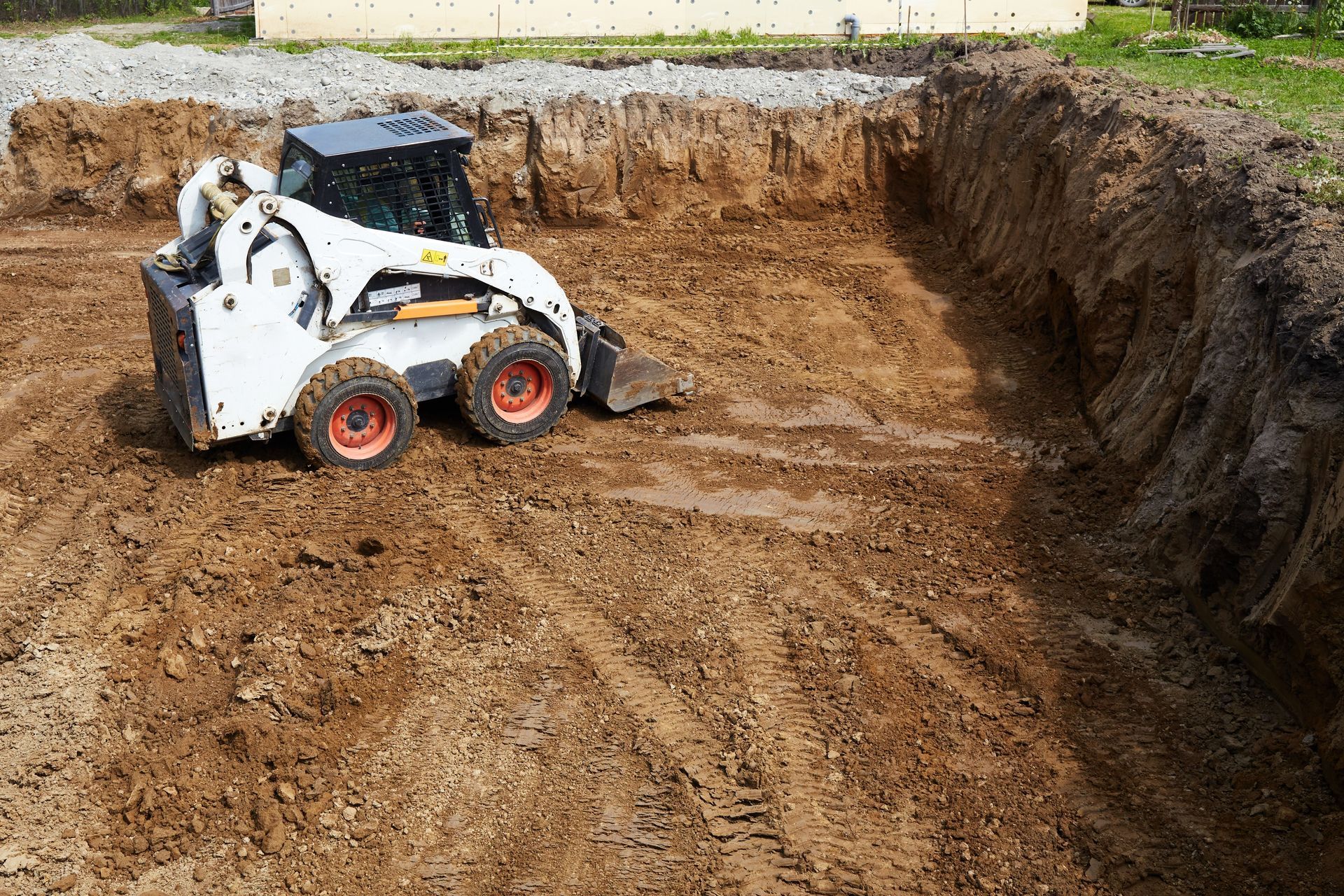
After clearing, you'll see defined property boundaries, open sight lines, and ground accessible for equipment or livestock. Surface roots and stumps are removed so the land can be mowed, grazed, or graded without obstacles, and debris piles are either processed into mulch that controls erosion or removed entirely depending on your preference. Areas that were impassable due to undergrowth become navigable, and the property's full acreage is visible and functional again.
The service handles projects throughout the East Texas region, from small residential lots to large tracts requiring multiple days of equipment operation. Clearing plans account for seasonal conditions—wet winters in East Texas create access challenges on unimproved land, while summer heat affects how quickly crews can operate and how vegetation regenerates after cutting.
Common Questions About This Service
Property owners new to land clearing often want to understand the process, equipment involved, and how to make decisions that protect the land while maximizing usable space.
What's the difference between clearing and forestry mulching?
Traditional clearing involves cutting trees, removing stumps with an excavator or dozer, and hauling debris off-site or burning it, leaving bare soil. Forestry mulching uses a specialized machine to grind trees and brush into mulch in a single pass, leaving a protective layer on the ground that prevents erosion and suppresses regrowth—it's faster and less disruptive but works best on vegetation under a certain diameter.
How deep do roots need to be removed?
For land that will be farmed, grazed, or mowed, surface roots and stumps are typically ground or removed to six inches below grade so they won't damage equipment. If the land will be graded for construction, stumps and major root systems must be removed entirely to prevent settling after structures are built.
When is the best time to clear land in Longview?
Late fall through early spring is generally ideal in East Texas because vegetation is dormant, equipment can access properties without excessive rutting in dry conditions, and you avoid the peak growing season when regrowth happens quickly. However, clearing schedules often depend more on project timelines than optimal seasons.
Why does vegetation type affect clearing methods?
Hardwood trees require more aggressive equipment and slower processing than pine or softwood species. Dense brush and vines can clog mulching heads, requiring different cutting techniques. The clearing approach adjusts based on what's growing and how large the trunks and root systems are.
What happens to cleared debris?
Debris can be chipped or mulched and spread on-site to enrich soil and control erosion, hauled off-site to a disposal facility, or burned if local regulations and weather conditions permit. The choice depends on project scope, access for hauling, and whether you want organic material left on the property.
SemperFi Land Clearing provides complete land clearing services for residential, commercial, agricultural, and recreational properties across East Texas. Call (559) 978-0990 to request a free estimate and review clearing options based on your property size, vegetation, and intended use.