Surfaces That Direct Water Where It Belongs
Grading Services in Longview and across East Texas for properties requiring proper drainage, stable building pads, or level outdoor spaces
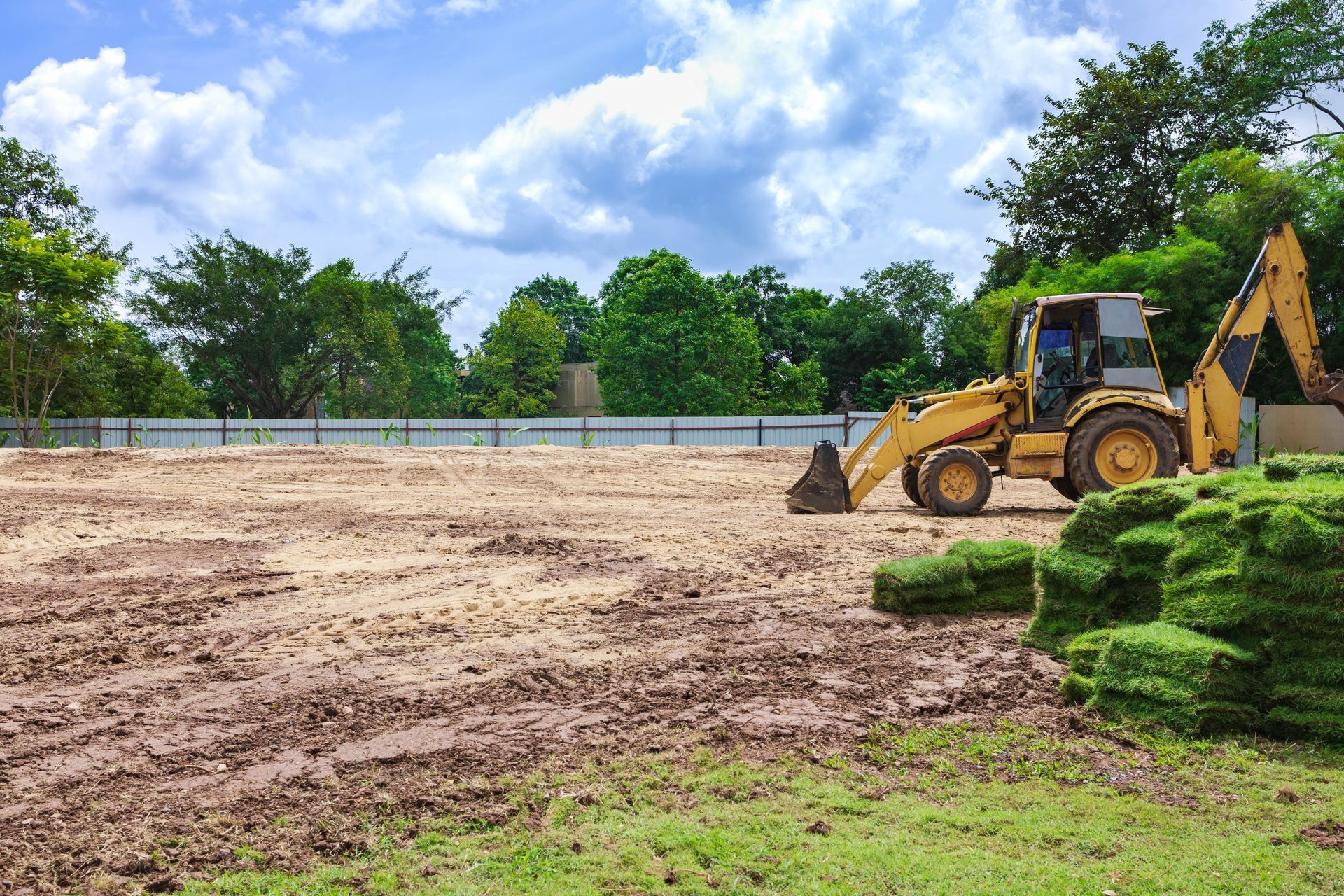
Water pooling against foundations, driveways that slope toward structures instead of away, and uneven building pads that cause settlement issues all trace back to grading mistakes made during site preparation or land improvement projects. SemperFi Land Clearing provides rough grading, finish grading, and site leveling for residential and commercial properties across East Texas, establishing drainage patterns that prevent erosion and creating stable surfaces for foundations, driveways, and outdoor improvements. Accurate grading determines whether rainwater flows away from buildings, whether concrete slabs remain level over time, and whether outdoor spaces function as intended without puddling or washouts.
The service adjusts based on project requirements—rough grading after initial clearing to set major elevations and slopes, finish grading to meet precise construction tolerances, or corrective grading to fix existing drainage problems. Equipment operation focuses on creating predictable water flow patterns and compacting fill so surfaces don't settle unevenly once weight or weather tests the graded area.
Request a consultation to evaluate your property's drainage, discuss grading objectives, and determine what equipment and fill material will be needed in Longview, Hallsville, Gilmer, and surrounding areas.
Why Proper Grading Works for Long-Term Stability
Grading involves cutting high spots, filling low areas, and sloping surfaces to direct water toward drainage features like ditches, culverts, or natural runoff areas. The process requires understanding soil composition—East Texas clay, for example, holds water and becomes unstable when saturated, requiring steeper drainage slopes than sandy soils that percolate quickly. Equipment operators adjust blade angles and track patterns to achieve specified elevations without overworking soil, which can destroy structure and create compaction problems later.
After grading is complete, rainwater moves predictably off paved areas and away from structures rather than pooling in low spots or flowing toward foundations. Building pads sit at elevations that prevent water intrusion, driveways slope enough to shed runoff without being uncomfortably steep, and outdoor spaces remain usable after heavy rain because drainage routes were established during the grading process.
Projects range from small residential lots requiring leveling for sheds or patios to large commercial sites where finish grading must meet engineer-specified elevations within fractions of an inch. The service includes coordination with builders, concrete contractors, and inspectors who verify that grading meets code requirements before construction proceeds.
Questions Before Starting Your Project
Property owners dealing with drainage problems or preparing land for construction often need help understanding grading methods, costs, and realistic outcomes.
What's the difference between rough and finish grading?
Rough grading establishes overall site drainage, major slopes, and approximate building pad elevations, typically to within a few inches of final grade. Finish grading fine-tunes surfaces to exact elevations required for construction, smooth enough for concrete pours or paving, and is usually completed after underground utilities are installed.
How much slope is needed for proper drainage?
Grading typically requires a minimum slope of two percent (about 2.5 inches of drop per 10 feet) to move water effectively off paved surfaces or away from structures. Steeper slopes drain faster but can cause erosion if not stabilized, while flatter slopes may require swales or drainage features to prevent standing water.
When does fill dirt need to be brought in versus just reworking existing soil?
If the site has deep low spots, insufficient elevation above surrounding properties, or soil that's been excavated and removed, fill dirt is necessary to reach proper grades. Reworking existing soil works when you're smoothing minor irregularities or redistributing material from high spots to low areas without changing overall site elevation.
Why does compaction matter after grading?
Loose or poorly compacted soil settles over time, especially under the weight of structures, vehicles, or heavy rain. Proper compaction during grading—achieved by equipment weight, roller passes, or moisture control—prevents uneven settling that cracks foundations, buckles driveways, or creates new drainage problems.
What grading challenges are common in Longview?
East Texas clay soil becomes slick and unworkable when wet, requiring grading to happen during dry periods when equipment can operate effectively. Clay also expands and contracts with moisture changes, making proper compaction and drainage critical to prevent foundation movement and surface cracking over time.
SemperFi Land Clearing provides grading services with accurate equipment operation and attention to drainage requirements for residential and commercial properties throughout East Texas. Call (559) 978-0990 to schedule a site evaluation and discuss grading solutions for your foundation prep, driveway installation, or drainage correction project.