
Foundations Placed on Stable, Level Ground
Site Prep in Longview and across East Texas for construction projects requiring cleared, graded, and obstacle-free building sites
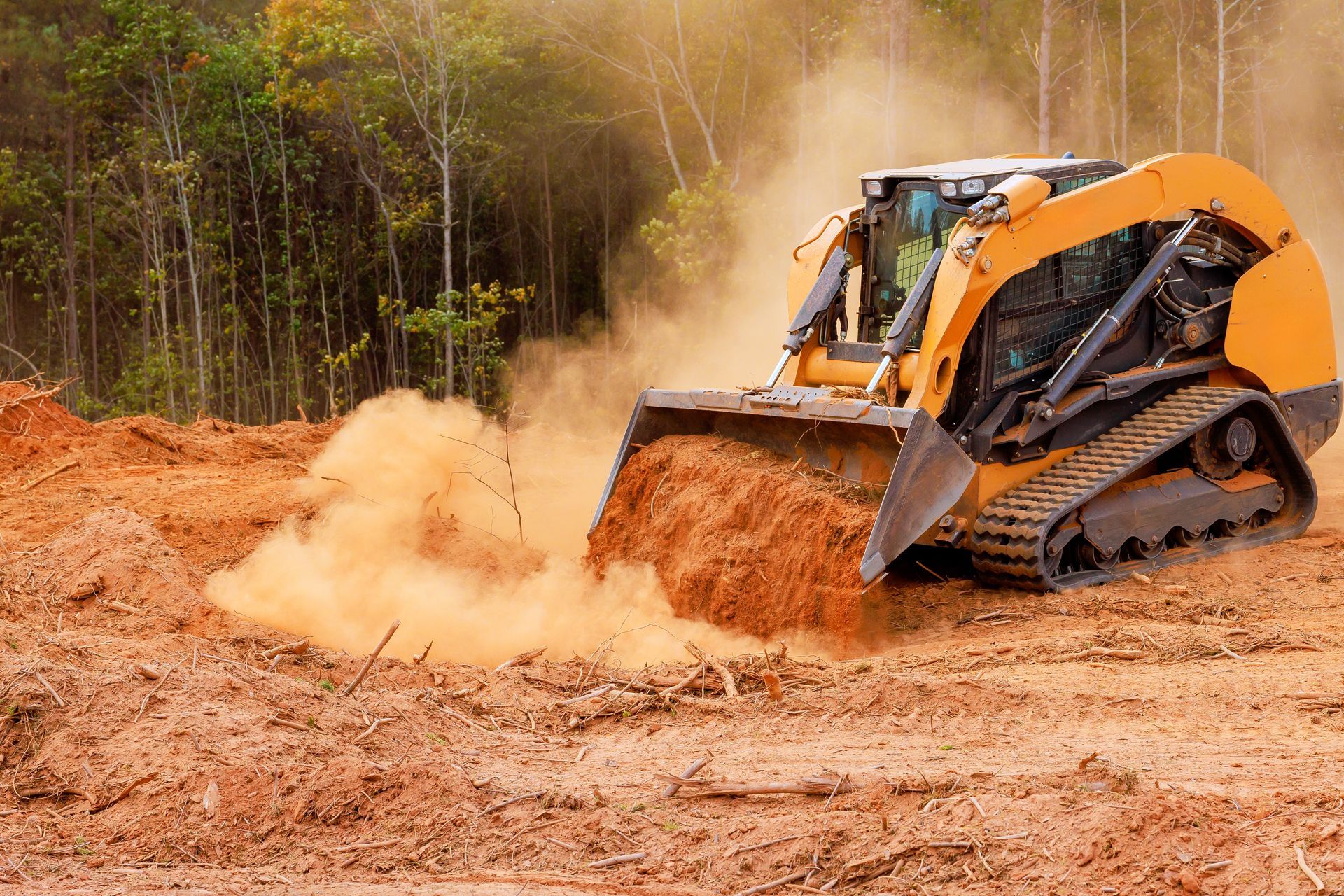
Construction begins with ground that's been cleared of vegetation, stumps, and debris, then graded to proper elevations so foundations, slabs, and driveways can be poured on stable surfaces that won't settle or shift. SemperFi Land Clearing prepares land before construction begins, removing obstacles, leveling building pads, establishing drainage slopes, and creating sites ready for contractors to mobilize equipment and start foundation work. The preparation determines whether concrete forms sit level, whether water drains away from structures, and whether the building pad remains stable as soil compacts over time.
Site prep involves coordinating clearing and grading sequences with builders and property owners, ensuring the work happens on schedule and meets specifications for whatever will be constructed—homes, shops, barns, commercial buildings, or outdoor improvements like patios and driveways. Efficiency and precision matter because delays in site prep push back every subsequent phase of construction.
Schedule a site assessment to review your property, discuss construction plans, and determine what clearing and grading will be required in Longview, Marshall, Kilgore, and surrounding areas.
What Changes After Proper Preparation Completes
The process begins with clearing all vegetation, roots, and debris from the building footprint and access routes, followed by rough grading to establish major elevations and drainage patterns. Stumps are ground below grade so they won't interfere with footings or underground utilities, and any soft or unstable soil is identified and addressed before finish grading brings surfaces to final elevations specified in construction plans.
Once site prep is complete, foundation contractors can set forms on ground that's level and compacted, equipment can access the site without creating ruts or mud, and drainage directs water away from the building pad rather than pooling where the structure will sit. Builders don't encounter hidden stumps or roots when digging utility trenches, and grading tolerances meet what's required for slab pours or pier placements.
Residential and commercial applications both require attention to soil compaction and drainage, but commercial sites often involve heavier equipment, stricter grading tolerances, and coordination with engineers who specify exact elevations. The service includes working within project timelines to ensure the site is ready when framers, concrete crews, or other trades are scheduled to begin their work.
What Property Owners Usually Ask
Homeowners and developers preparing for construction often need clarity on what site prep includes, how it's sequenced, and what to expect before contractors arrive.
What's included in site prep versus what's handled by the builder?
Site prep typically covers clearing, stump removal, and rough grading to create a construction-ready pad with proper drainage. Builders usually handle finish grading, compaction testing, utility installations, and any specialized earthwork like retaining walls or erosion control. The boundary between the two depends on the contract and who's managing overall site development.
How does site prep differ for a shop versus a house?
Shops and outbuildings often require less precise grading than homes because they may sit on gravel or compacted stone rather than finished slabs, but they still need positive drainage and stable ground. Houses require tighter grading tolerances to meet building codes, especially around foundation elevations and utility connections.
When does site prep need to happen relative to other work?
Clearing and rough grading should be completed before utility contractors trench for water, sewer, and electric lines. Finish grading happens after utilities are buried but before foundation forms are set, so the site is smooth and at final elevations when concrete crews arrive.
Why does drainage matter even before construction starts?
Poor drainage during construction creates mud that bogs down equipment, delays work, and damages freshly graded surfaces. Establishing positive drainage during site prep also prevents water from pooling under foundations after the structure is built, which can cause settling, cracking, and moisture intrusion over time.
What site conditions in Longview affect preparation work?
East Texas clay soil expands when wet and shrinks when dry, making it critical to grade during stable weather and compact fill properly to prevent foundation movement. Seasonal rainfall means timing site prep to avoid prolonged wet periods when equipment can't access the property without causing deep rutting.
SemperFi Land Clearing provides site preparation for residential and commercial construction projects, coordinating clearing, grading, and stump removal with builders and property owners throughout the Longview area. Contact us to arrange an on-site consultation and discuss preparation requirements for your building project.